
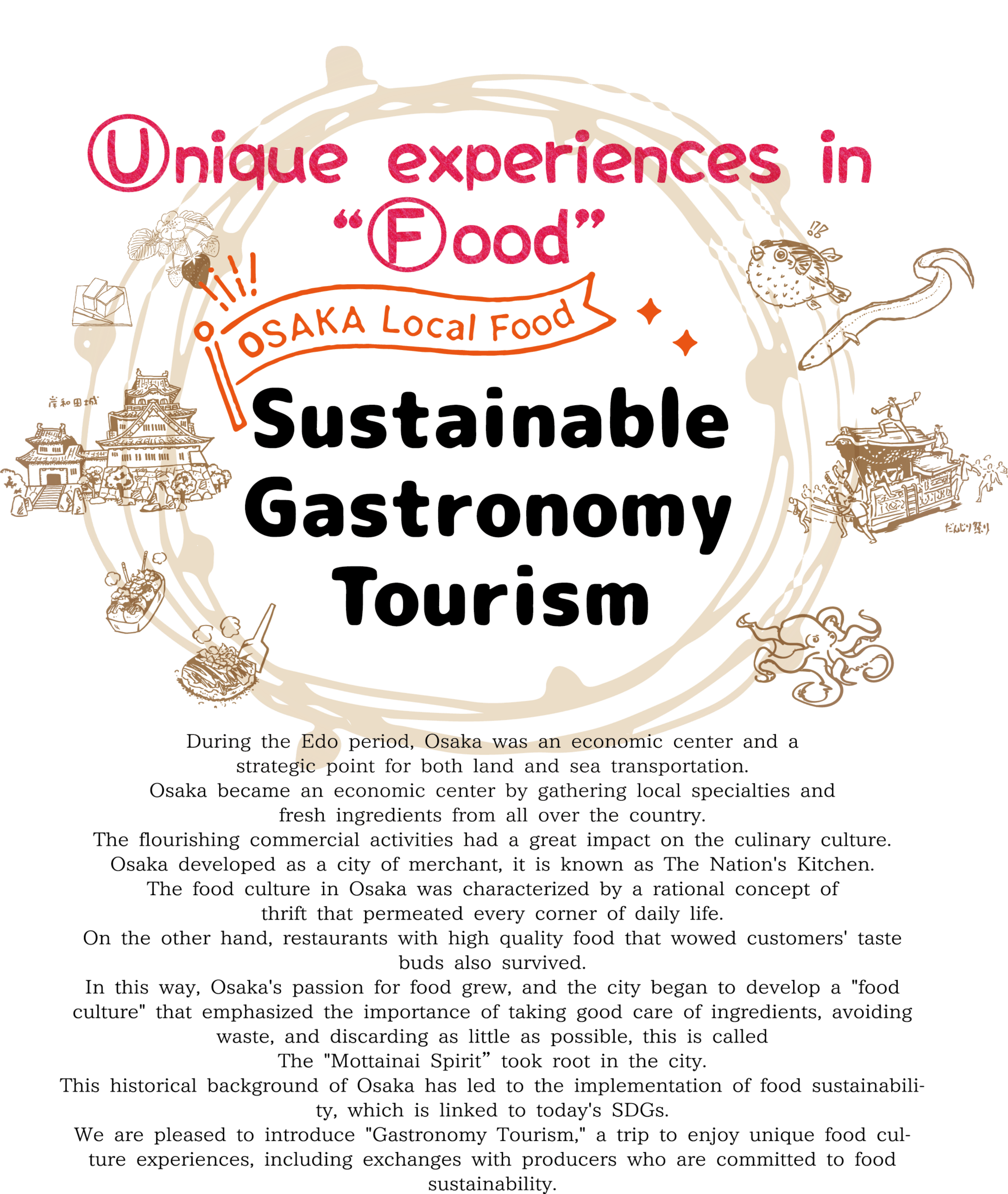

During the Edo period, Osaka was an economic center and a strategic point for both land and sea transportation. Osaka became an economic center by gathering local specialties and fresh ingredients from all over the country. The flourishing commercial activities had a great impact on the culinary culture. Osaka developed as a city of merchant, it is known as The Nation's Kitchen.
The food culture in Osaka was characterized by a rational concept of thrift that permeated every corner of daily life.
On the other hand, restaurants with high quality food that wowed customers' taste buds also survived.
In this way, Osaka's passion for food grew, and the city began to develop a "food culture" that emphasized the importance of taking good care of ingredients, avoiding waste, and discarding as little as possible, this is called The "Mottainai Spirit" took root in the city.
This historical background of Osaka has led to the implementation of food sustainability, which is linked to today's SDGs.
We are pleased to introduce "Gastronomy Tourism," a trip to enjoy unique food culture experiences, including exchanges with producers who are committed to food sustainability.
Osaka Prefecture has created a variety of experience contents and programs under the theme of SDGs for food that is being created in local communities and facilities.
We will introduce several experiences and programs, in which local communities and farmers, industries incorporate Food sustainability principles and SDGs, in the South Osaka area.


[overview]
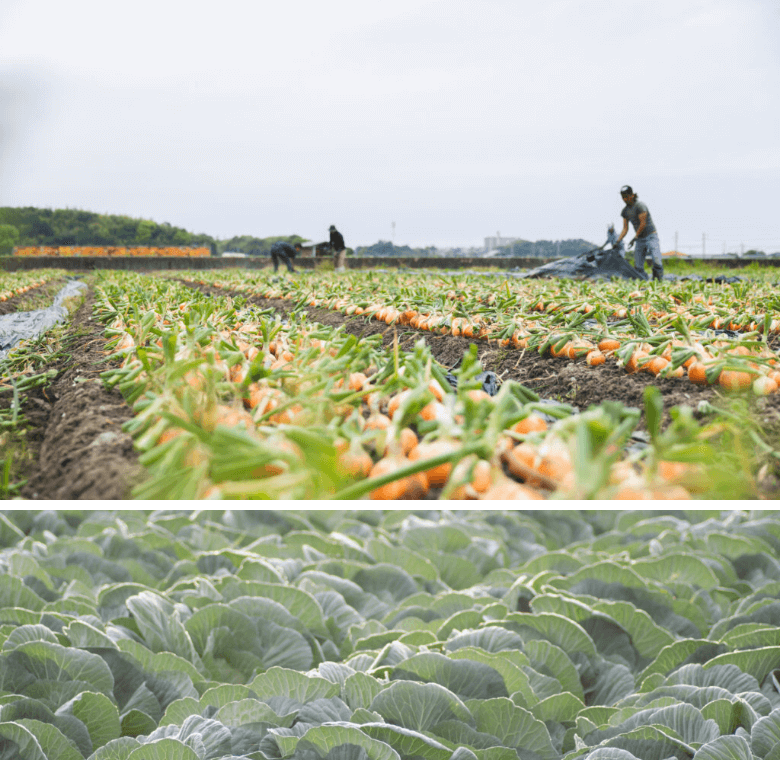
In Izumisano City, Osaka Prefecture, visitors can experience harvesting Senshu onions and Senshu cabbage at Chouzaemon Iteya Farm, a family-run farm that has continued since the Edo period. This program also provides an opportunity to learn about long-lasting agricultural traditions and the SDGs initiatives in the region.
Facility Information
[overview]
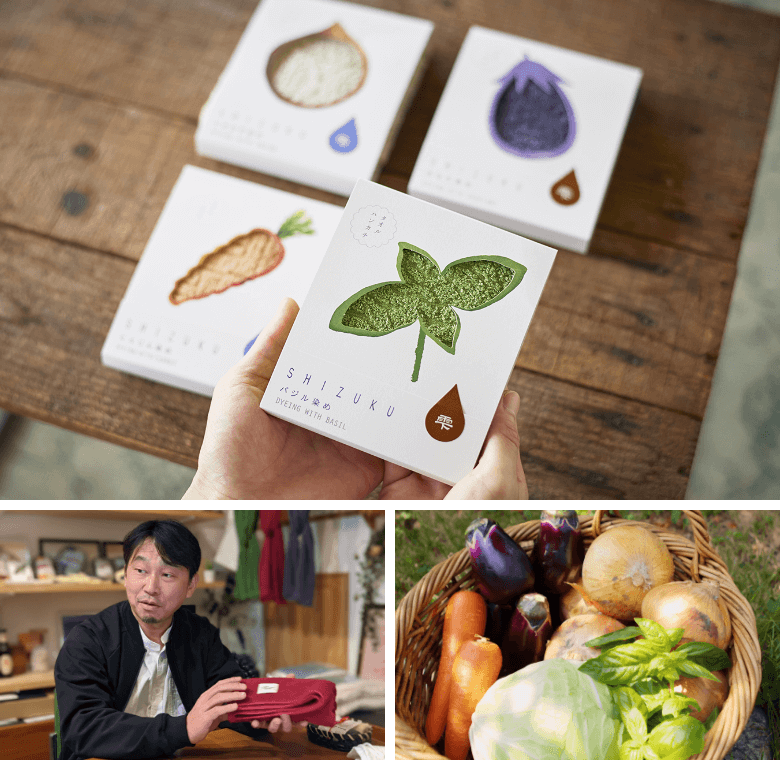
This program allows participants to paint on Senshu towels, a traditional local industry, using natural dyes made from discarded Senshu specialty vegetables such as mizunasu (a type of eggplant), Senshu onions, and Senshu cabbage. Participants will also have the opportunity to tour a towel factory and learn about how Senshu's industries are incorporating SDGs (Sustainable Development Goals) into their practices.
Facility Information
[overview]
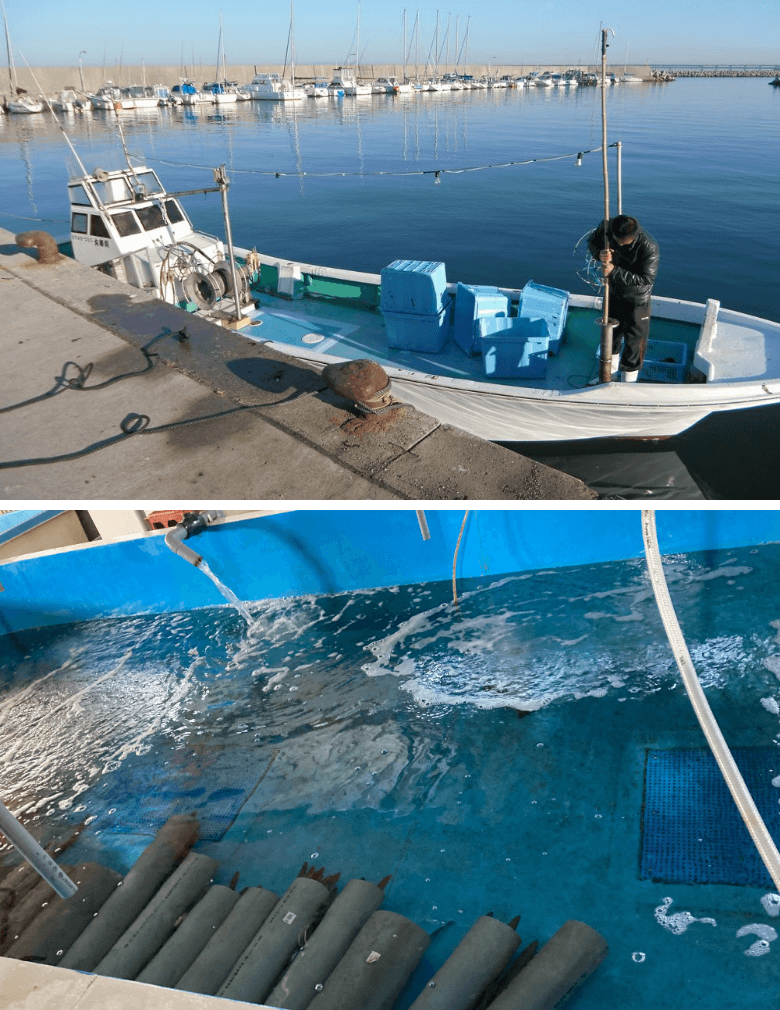
Okadaura Fishing Port is actively engaged in land-based aquaculture for anago (conger eel) as part of its efforts toward marine and food sustainability (SDGs). This program offers an opportunity to learn about the importance of marine resources, the value of life, local marine issues, the effects of global warming, and the future of the oceans. Participants will also gain insight into the forefront of the fishing industry and how Okadaura Fishing Port contributes to the SDGs.
Facility Information
[overview]
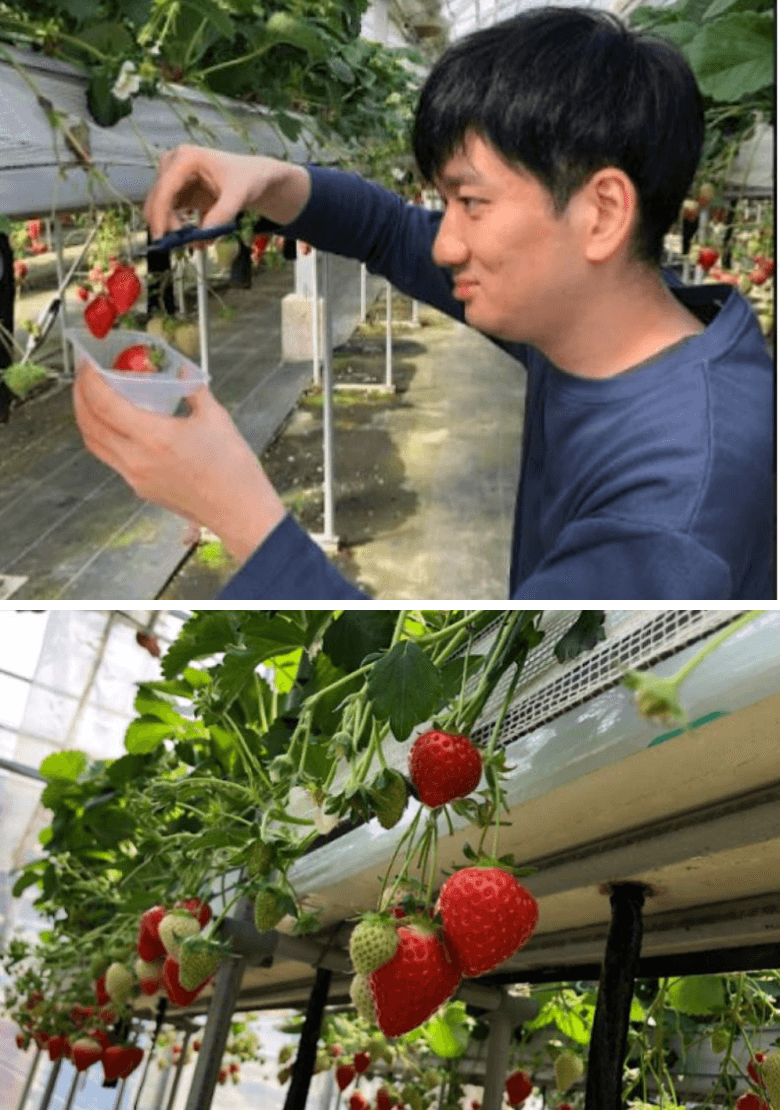
The tourist farm Izumi Fureai Farm is actively engaged in circular agriculture, reducing food waste from non-standardized produce, and promoting sustainable farming. Visitors can participate in strawberry picking, feeding animals using discarded vegetables, and BBQ experiences using thinned wood. This program provides an opportunity to learn about SDGs and the efforts of a farm dedicated to creating a sustainable community.
Facility Information
[overview]
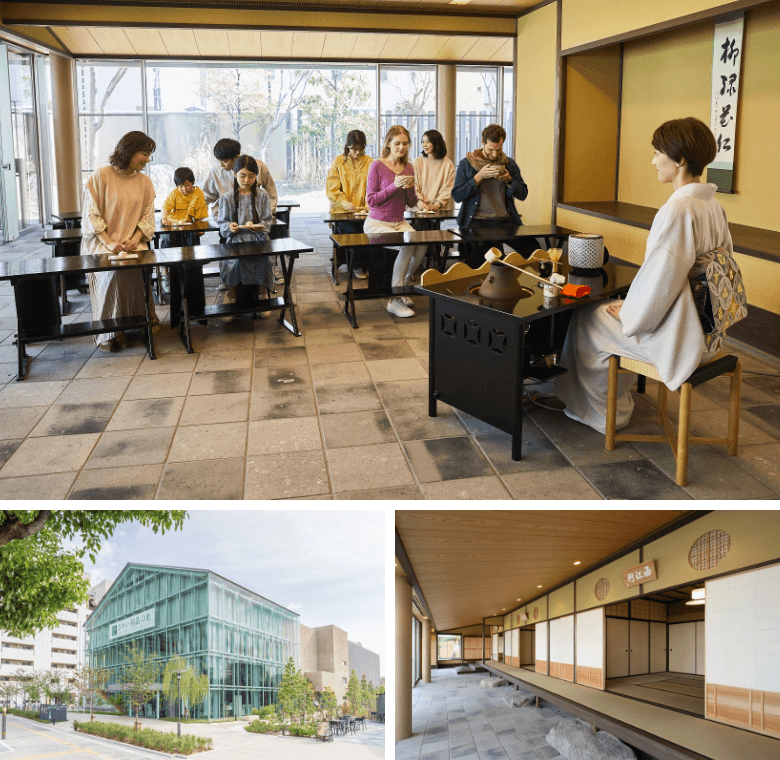
This museum showcases the history and culture of Sakai, focusing on Sen no Rikyu and Akiko Yosano, both of whom were born in Sakai. The facility features an authentic tea room, and at the "Ryurei Tea Ceremony (Nankai-an)," visitors can enjoy Sakai's matcha and traditional Japanese sweets while seated on chairs, with tea prepared in the style of the three major tea schools: Omotesenke, Urasenke, and Mushakouji-senke.
Facility Information
[overview]
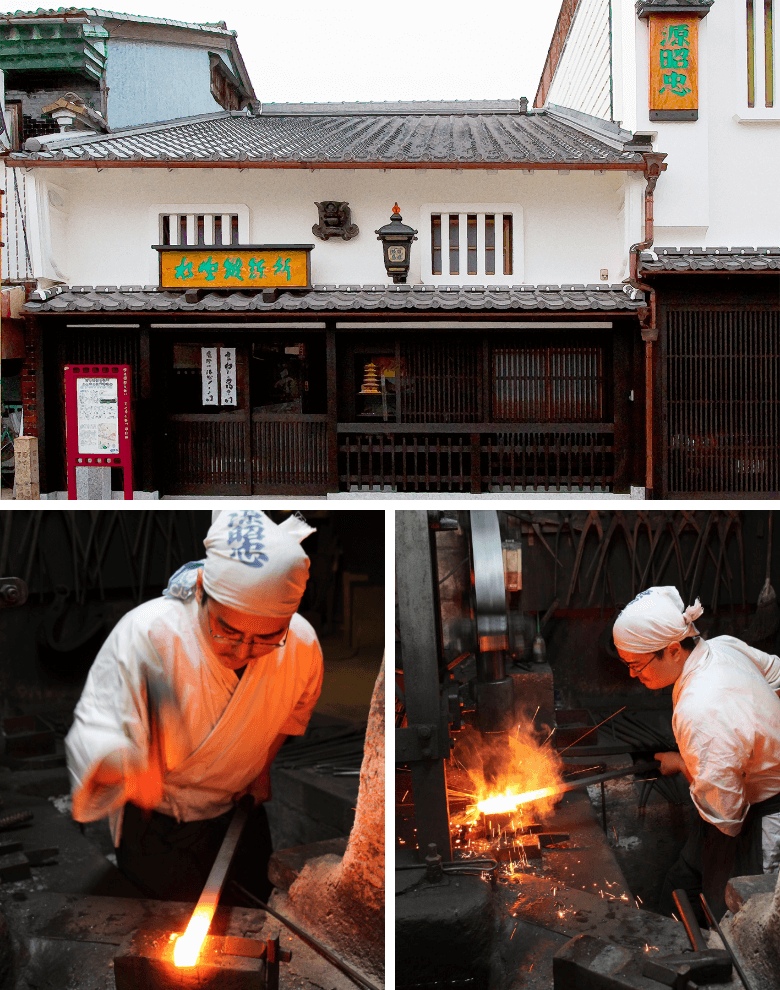
Sakai's forged blades, boasting a 600-year history, are deeply connected to Japan's culinary culture. At Mizuno Tanrenjo, a blacksmith workshop founded in 1872 that forges Japanese swords and knives, visitors can observe the knife-making process. This program provides an opportunity to learn about traditional culture, craftsmanship, cultural heritage preservation, and SDGs (Sustainable Development Goals).
Facility Information
[overview]
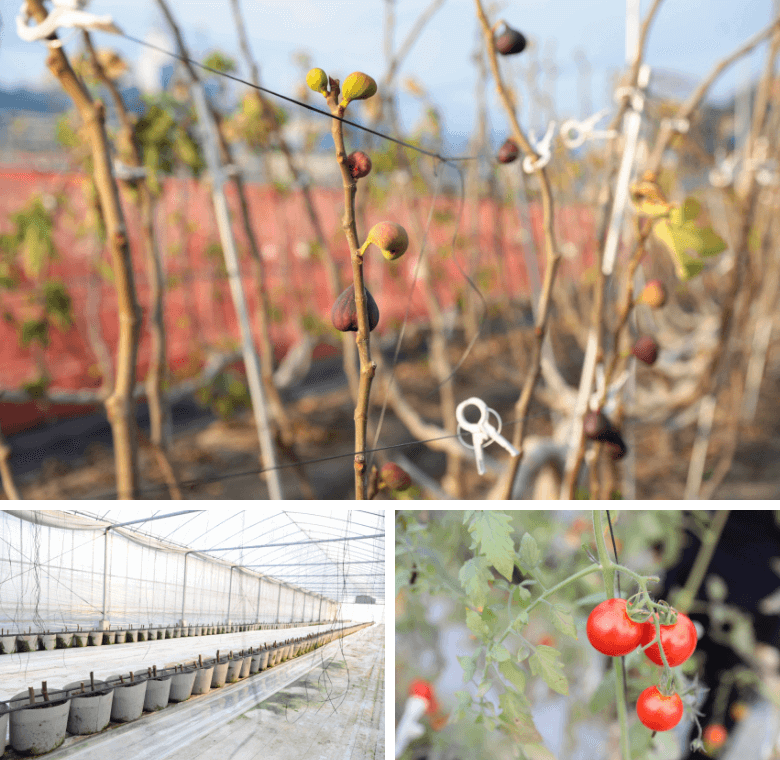
Figs are one of Osaka's signature fruits, and this program allows participants to experience harvesting figs at Fujii Farm, one of the leading fig farms in Osaka. Visitors will learn about sustainable agriculture and food SDGs while engaging in activities that promote collaboration with the local community.
Facility Information
[overview]
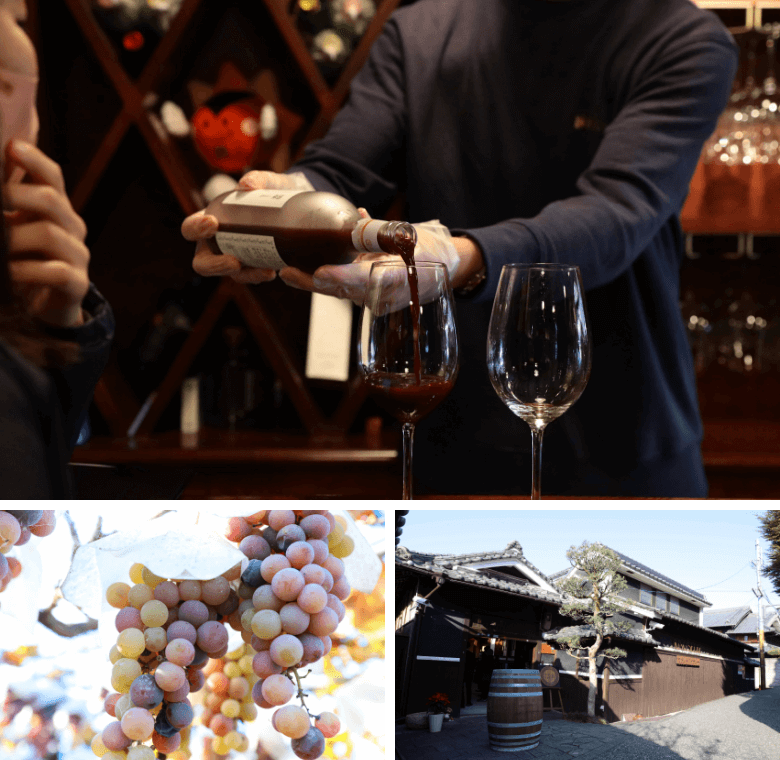
Founded in 1914, Katashimo Winery is one of the oldest existing wineries in Western Japan. Beyond wine production, the winery is actively engaged in town planning initiatives aimed at preserving the region’s historical landscape for future generations. Through this visit, participants will learn about food SDGs and sustainable regional initiatives.
Facility Information
New Program!Actively attracting inbound tourists through Japanese cultural experiences, offering various programs such as "tea ceremony experiences" with flexible arrangements available.
[overview]
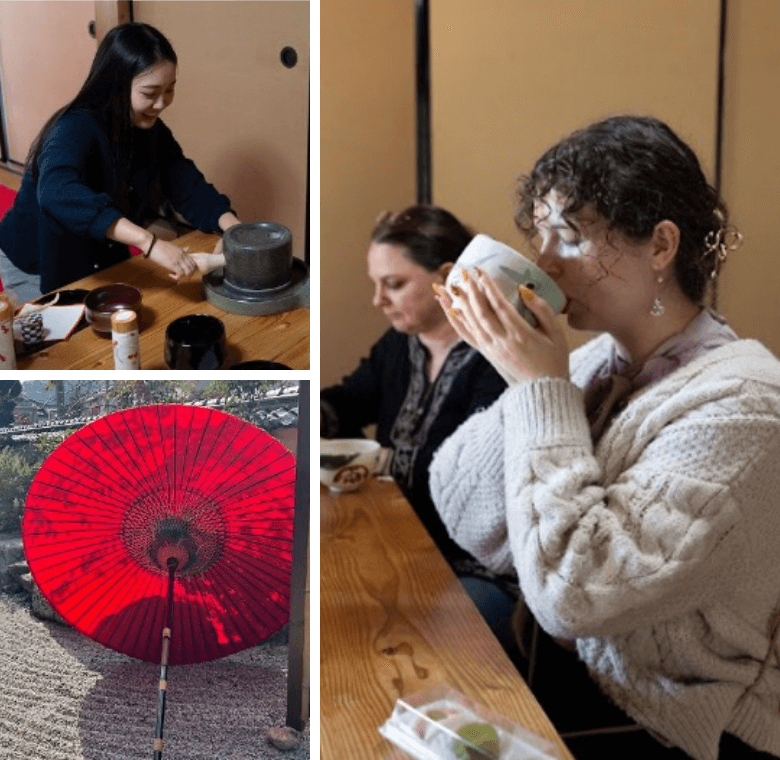
In the Sabi district of Tondabayashi City, a local traditional house has been relocated and transformed into a facility for inbound-oriented Japanese cultural experience tours. The "Kawachi original landscape" seen from the traditional house offers an atmosphere that feels like a time slip into old Japan. A barbecue is provided using locally sourced seasonal vegetables.
Participants will learn about food SDGs and sustainable initiatives in the local community.
Facility Information
All photos are for illustrative purposes only.

5F Toda Building Shinsaibashi
4-4-21 Minamisemba,
Chuo-ku, Osaka 542-0081
TEL.06-6282-5900 FAX.06-6282-5915
E-mail:tourism@octb.jp
Tourism Department
Sustainable Gastronomy Tourism
https://sustainable-area-osaka.osaka-info.jp/

These are just some of the programs we offer.
Please contact us for other travel programs related to food.
※The contents of the description are as of March 1, 2023.
Please note that each program is subject to change without notice.